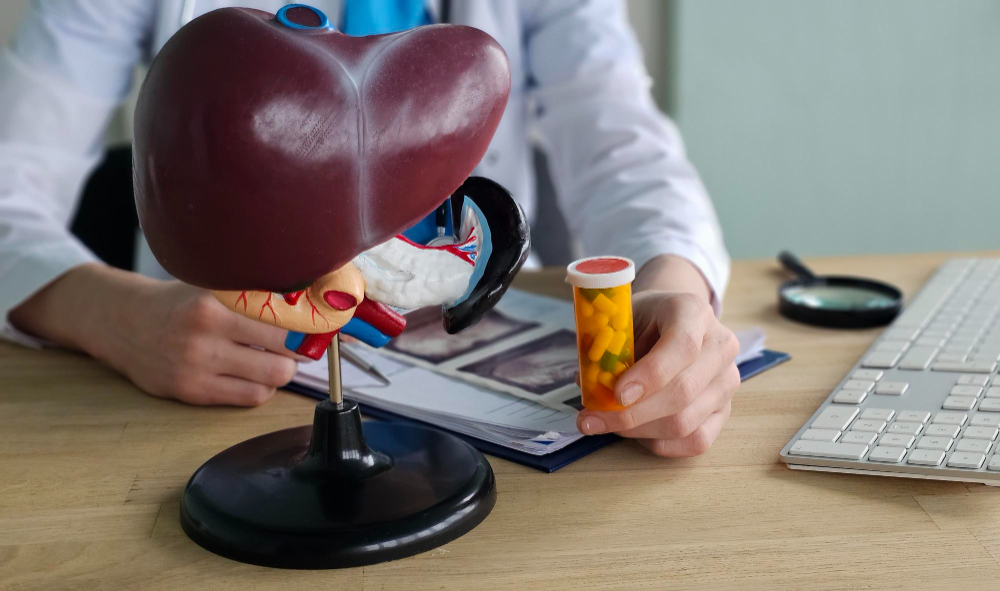
What is Portal Hypertension?
Portal hypertension means high blood pressure in the portal vein. The portal vein carries blood from the stomach, intestines, and spleen to the liver. When this pressure rises, it can cause serious health problems. Often, portal hypertension happens because of liver disease, especially cirrhosis. Cirrhosis is scarring of the liver. Although this condition is more common in some regions where liver disease rates are high, it can affect anyone. Early detection is important for better outcomes.
Causes of Portal Hypertension
Many factors can lead to portal hypertension. Most often, it is linked to liver problems. However, other causes exist as well. Below are the main reasons:
Because the liver is so important, any damage can quickly lead to portal hypertension. For this reason, protecting your liver health is key.
Common Symptoms
Portal hypertension may not cause symptoms at first. But as it gets worse, you may notice changes. For example, you might see:
Because these symptoms can be serious, you should not ignore them. Early treatment can help prevent complications.
How Portal Hypertension is Diagnosed
Doctors use several tests to find portal hypertension. First, they will ask about your symptoms and health history. Next, they may do a physical exam. After that, they might order tests such as:
Because early diagnosis is important, see your doctor if you have risk factors or symptoms.
Treatment Options
Treatment for portal hypertension depends on the cause and symptoms. In many cases, doctors focus on managing complications and lowering the pressure in the portal vein. Common treatments include:
Because each person is different, your doctor will choose the best plan for you.
Lifestyle Tips and Prevention
Although you cannot always prevent portal hypertension, healthy habits can lower your risk. For example, you can:
Because liver health is so important, regular check-ups can help catch problems early.
When to See a Doctor
If you notice symptoms like belly swelling, yellow skin, or bleeding, see a doctor right away. Even if you feel fine, but have liver disease or risk factors, regular visits are important. Early care can prevent serious problems. Remember, only a healthcare professional can give you the right advice for your situation.
For personalized advice and treatment, consult your doctor or a liver specialist. Early action can make a big difference in your health.