What is a Pancreatic Pseudocyst?
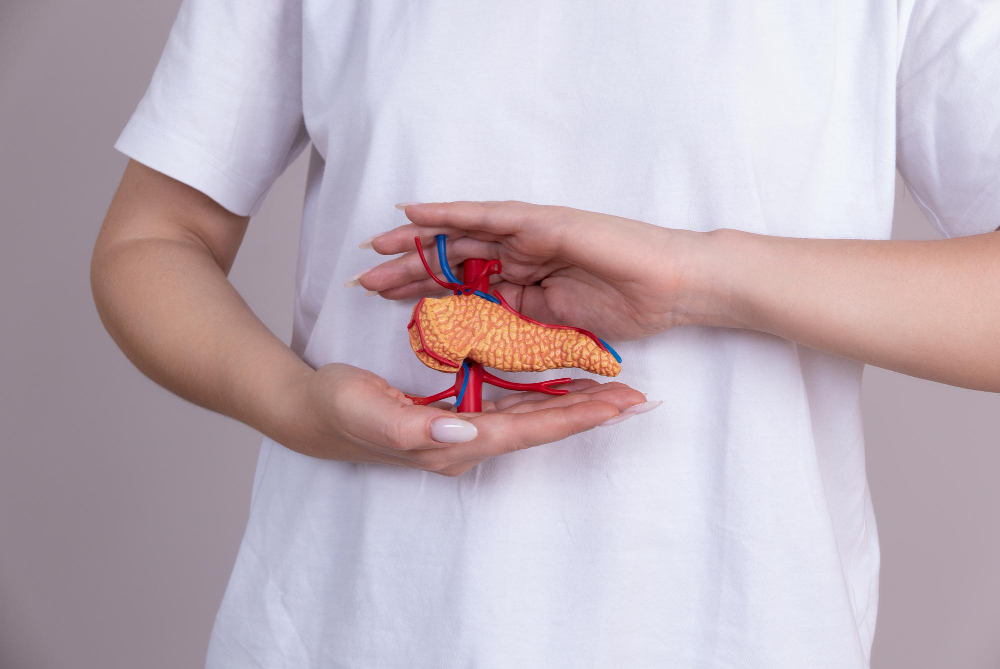
A pancreatic pseudocyst is a fluid-filled sac that forms in the abdomen. It usually develops near the pancreas. The pancreas is an organ that helps with digestion and blood sugar control. Sometimes, after an injury or inflammation of the pancreas, a pseudocyst can appear. Although it is not a true cyst, it can still cause problems if not treated. Pancreatic pseudocyst is a condition that needs careful attention.
Common Symptoms
Many people with a pancreatic pseudocyst may not notice symptoms at first. However, as the cyst grows, symptoms can appear. For example, you may feel discomfort or pain in your upper belly. Other symptoms can include:
Because these symptoms can be mild or severe, it is important to watch for any changes in your health.
Causes and Risk Factors
Most often, pancreatic pseudocysts develop after pancreatitis. Pancreatitis is swelling or inflammation of the pancreas. There are two main types: acute and chronic. Both can lead to pseudocyst formation. In addition, other causes include:
Some people have a higher risk. For instance, those with repeated pancreatitis or long-term alcohol use are more likely to develop a pancreatic pseudocyst.
How Pancreatic Pseudocyst is Diagnosed
Doctors use several tests to find out if you have a pancreatic pseudocyst. First, your doctor will ask about your symptoms and medical history. Then, they may order imaging tests. These tests help show the size and location of the cyst. Common tests include:
Sometimes, blood tests are also done to check for infection or other problems. Because early diagnosis is important, let your doctor know about any symptoms right away. If you wonder how pancreatic pseudocyst is diagnosed, these are the main steps.
Treatment Options
Treatment for pancreatic pseudocyst depends on its size and symptoms. In many cases, small cysts that do not cause symptoms may go away on their own. However, larger or painful cysts may need treatment. Options include:
Because each case is different, your doctor will choose the best treatment for you. Always follow your doctor’s advice for the best results.
Prevention and Lifestyle Tips
While not all cases can be prevented, some steps may lower your risk. For example, you can:
Because healthy habits support your pancreas, they may help prevent future problems.
When to See a doctor
If you have ongoing belly pain, swelling, or other symptoms, see a doctor soon. Also, seek help if you notice yellowing of your skin or eyes. Early care can prevent serious problems. In addition, if you have a history of pancreatitis, regular check-ups are important.
In summary, pancreatic pseudocyst is a treatable condition. With the right care, most people recover well. Consult a gastroenterologist for personalized advice about pancreatic pseudocyst.