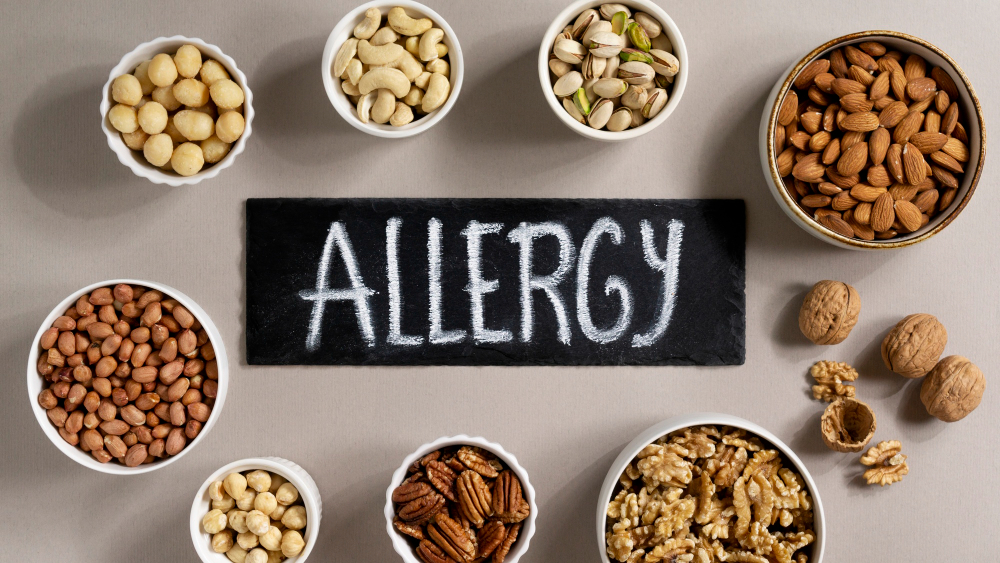
Many people confuse food intolerance with food allergy. However, knowing the difference between food intolerance and food allergy is important for your health. Both conditions can cause discomfort, but they are not the same. In this blog, we will explain what each term means, how they differ, and what you can do to stay safe.
What is Food Intolerance?
Food intolerance happens when your body has trouble digesting certain foods. For example, some people cannot digest milk because they lack an enzyme called lactase. This is known as lactose intolerance. Usually, food intolerance is not life-threatening. However, it can cause uncomfortable symptoms. These symptoms often appear a few hours after eating the food. According to the World Health Organization (WHO), food intolerance is common and affects many people worldwide.
What is a Food Allergy?
On the other hand, a food allergy involves your immune system. When you eat a food you are allergic to, your body reacts as if the food is harmful. As a result, your immune system releases chemicals like histamine. This can cause symptoms that range from mild to severe. Sometimes, food allergies can lead to a life-threatening reaction called anaphylaxis. The Centers for Disease Control and Prevention (CDC) states that food allergies affect both children and adults.
Key Differences Between Food Intolerance and Food Allergy
Common Symptoms
Both conditions can cause discomfort. However, their symptoms are different. Below are some common signs:
For example, if you have a food allergy, you may get hives or swelling soon after eating. In contrast, food intolerance often causes stomach problems a few hours later.
Causes and Risk Factors
There are many causes for both conditions. For food intolerance, the main cause is the lack of certain enzymes. For example, people with lactose intolerance do not have enough lactase. Other causes include food additives or chemicals in foods. On the other hand, food allergies are caused by the immune system reacting to proteins in food. Some risk factors include:
Diagnosis and Testing
It is important to get the right diagnosis. For food allergies, doctors may use skin prick tests, blood tests, or food challenges. These tests help find out which foods cause a reaction. For food intolerance diagnosis, doctors may ask you to keep a food diary. Sometimes, they may suggest an elimination diet. In this diet, you stop eating certain foods and slowly add them back. This helps find the food causing your symptoms. Always talk to your doctor before trying any tests.
Treatment and Management
Managing these conditions is possible. For food allergies, the best way is to avoid the allergen. Sometimes, doctors may prescribe an epinephrine auto-injector for emergencies. For food intolerance, you may be able to eat small amounts of the food. However, you should avoid large amounts. Reading food labels and asking about ingredients can help. In both cases, it is important to plan meals and snacks carefully.
Prevention Tips
While you cannot always prevent these conditions, you can lower your risk. Here are some tips:
Conclusion
In summary, knowing the difference between food intolerance and food allergy can help you stay safe. Both conditions need careful management, but they are not the same. If you have symptoms after eating certain foods, consult your doctor for personalized advice. Your healthcare provider can help you find the best way to manage your condition and enjoy a healthy life.