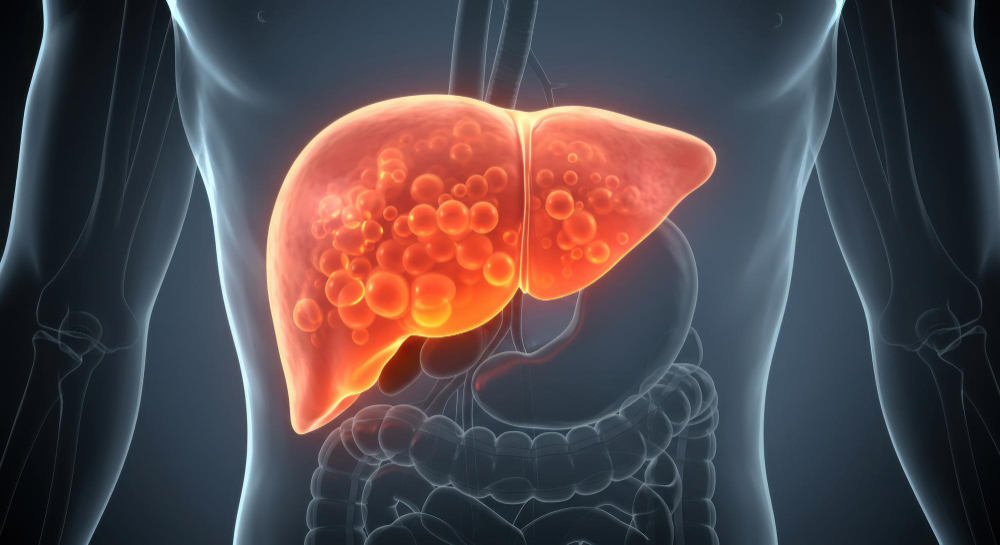
What is Nonalcoholic Fatty Liver Disease?
Nonalcoholic Fatty Liver Disease (NAFLD) is a common liver condition. It happens when fat builds up in the liver of people who drink little or no alcohol. In fact, NAFLD is now one of the most common causes of chronic liver problems worldwide. According to the CDC, NAFLD affects millions of people, often without clear symptoms. Because it can lead to serious liver damage, it is important to know about this disease and how to keep your liver healthy.
Common Symptoms
Many people with NAFLD do not notice any symptoms at first. However, as the disease progresses, some signs may appear. For example, you might feel tired more often. Sometimes, there is mild pain or discomfort in the upper right side of the belly. In rare cases, people may notice:
Still, many people only learn about their fatty liver after a routine blood test or scan. Therefore, regular checkups are important for early detection.
Causes and Risk Factors
NAFLD develops when the liver stores too much fat. Several factors can increase your risk. For instance, being overweight or having obesity is a major risk. In addition, people with type 2 diabetes or high cholesterol are more likely to develop NAFLD. Other risk factors include:
Although anyone can get NAFLD, it is more common in adults over 40. However, children and teens can also be affected, especially if they are overweight.
How NAFLD is Diagnosed
Doctors use several methods to diagnose Nonalcoholic Fatty Liver Disease. First, they may ask about your medical history and risk factors. Next, a physical exam can help spot signs of liver problems. Blood tests often show higher liver enzyme levels. But, these tests alone cannot confirm NAFLD. Therefore, doctors may order imaging tests, such as:
Sometimes, a liver biopsy is needed to check for liver damage. Early diagnosis helps prevent serious problems, so regular checkups are important.
Treatment Options
There is no specific medicine approved for NAFLD treatment yet. However, lifestyle changes can help manage the disease. Doctors often suggest:
In some cases, doctors may recommend medicines for related conditions, such as diabetes or high cholesterol. For advanced liver damage, special treatments or surgery may be needed. Always follow your doctor’s advice for the best results.
Lifestyle and Dietary Guidance
Healthy habits play a big role in managing NAFLD. For example, eating a balanced diet helps reduce liver fat. Try to:
Besides, regular exercise helps burn fat and improve liver health. Aim for at least 30 minutes of activity most days. Even small changes can make a big difference over time.
Prevention Tips
Preventing fatty liver is possible with simple steps. For instance, you can:
Because NAFLD often has no symptoms, prevention and early action are key. Following these liver health tips can help protect your liver for years to come.
Conclusion
Nonalcoholic Fatty Liver Disease is common but can be managed with healthy choices. If you have risk factors or symptoms, do not wait. Consult a healthcare specialist for personalized advice on Nonalcoholic Fatty Liver Disease.