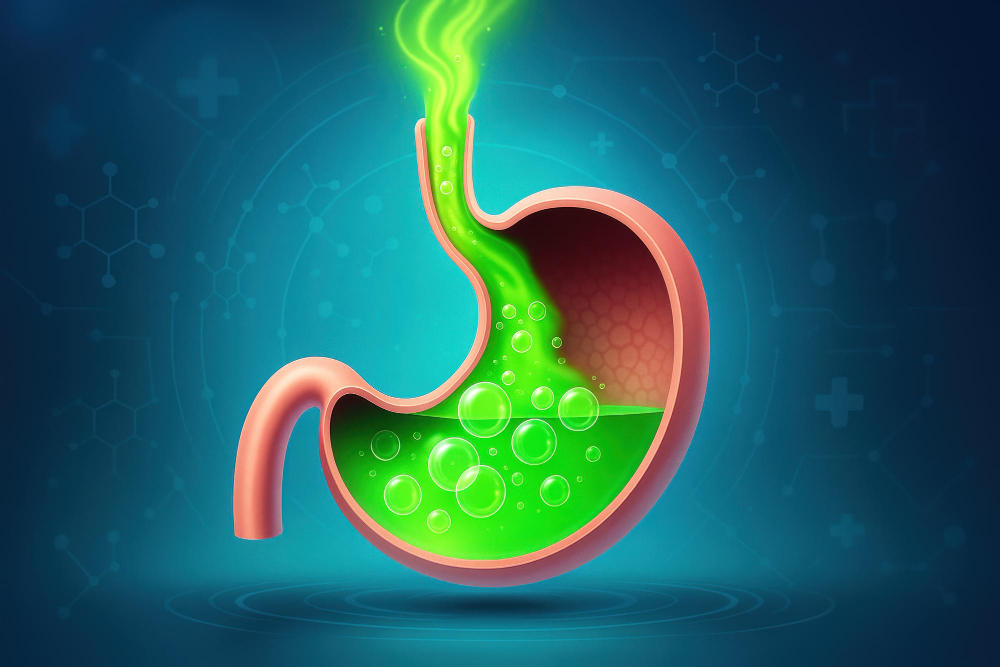
What is GERD?
GERD stands for Gastroesophageal Reflux Disease. It is a long-term condition where acid from the stomach flows back into the food pipe. This backflow can cause discomfort and other health problems. Many people call GERD “acid reflux disease.” Because GERD can affect daily life, it is important to know its signs and how to manage it. According to the CDC, GERD is common and affects millions worldwide.
Common Symptoms of GERD
Often, GERD symptoms are easy to notice. However, some people may not realize their symptoms are linked to acid reflux disease. Here are the most common signs:
Sometimes, symptoms get worse at night or after large meals. For example, lying down soon after eating can make heartburn worse.
Causes and Risk Factors
GERD happens when the muscle at the end of the food pipe does not close properly. As a result, stomach acid can move up into the food pipe. Several factors can increase the risk of GERD. These include:
Because these factors can add up, it is helpful to know your personal risks. Making small changes can lower your chances of developing GERD.
How GERD is Diagnosed
Doctors use several methods to diagnose GERD. First, they ask about your symptoms and health history. Next, they may suggest tests to confirm acid reflux disease. Common tests include:
Because GERD can mimic other problems, these tests help doctors find the right treatment. If you have ongoing symptoms, it is important to get checked.
Treatment Options for GERD
There are many GERD treatment options. Your doctor may suggest one or more of the following:
Because each person is different, your doctor will help you choose the best plan. For example, some people may need long-term medicine, while others improve with simple changes.
Lifestyle Tips and Prevention
Simple steps can help prevent GERD or reduce its symptoms. Here are some helpful tips:
Because prevention is easier than treatment, these habits can make a big difference. Over time, small changes can lead to better health and fewer symptoms.
When to See a Doctor
Sometimes, GERD symptoms can be serious. You should see a doctor if:
Because these signs may point to other health problems, it is important to get medical advice. GERD specialists in your area can help you find the right care.
In summary, GERD is a common but manageable condition. With the right steps, you can control symptoms and improve your quality of life. Consult a gastroenterologist for personalized advice on GERD management.