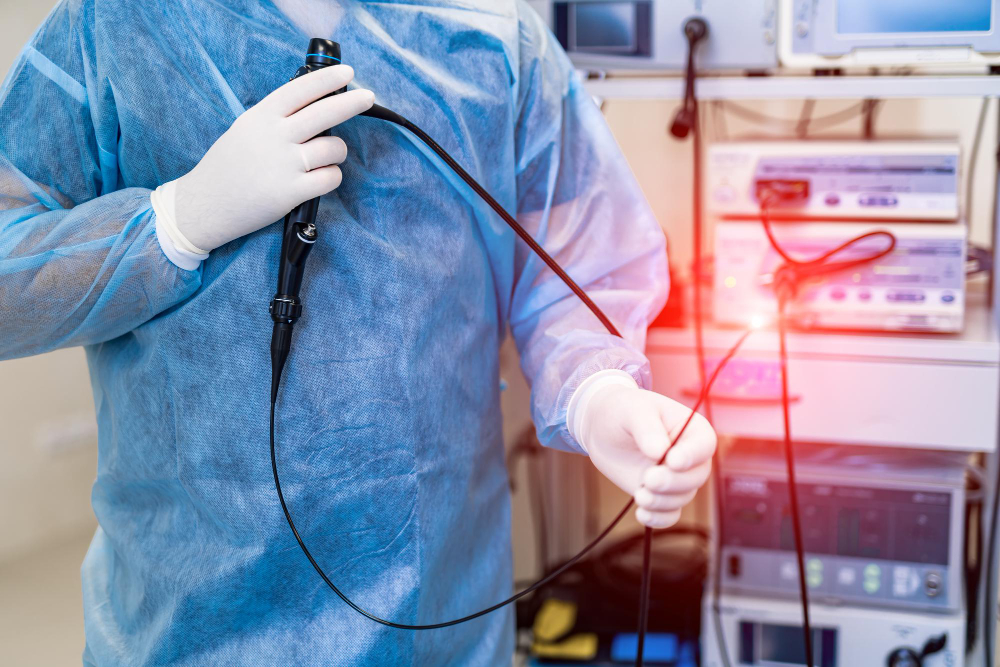
What Is an Endoscopy?
Endoscopy is a medical procedure that helps doctors look inside your body. Usually, it uses a thin, flexible tube with a camera and light at the end. This tool is called an endoscope. Doctors use endoscopy to check for problems in areas like the stomach, throat, or intestines. Because it gives a clear view, it helps find the cause of symptoms such as pain or bleeding. In many cases, endoscopy is a safe and quick way to get answers.
Why Is Endoscopy Recommended?
Doctors may suggest an endoscopy for several reasons. For example, it helps find the cause of symptoms that do not go away. Sometimes, it is used to check for ulcers, swelling, or growths. In addition, endoscopy can help doctors take small tissue samples, called biopsies. These samples are checked for infections or cancer. Often, endoscopy is also used to treat certain problems, such as removing small growths or stopping bleeding.
When Should You Consider an Endoscopy?
There are times when your doctor may suggest an endoscopy. For instance, if you have ongoing stomach pain, trouble swallowing, or unexplained weight loss, it may be needed. Sometimes, if you notice blood in your stool or vomit, an endoscopy can help find the cause. Also, if you have a family history of certain diseases, your doctor may recommend this test. Early testing can help catch problems before they get worse.
How Is Endoscopy Performed?
During an endoscopy, you will lie down on a table. Usually, you receive medicine to help you relax. Next, the doctor gently guides the endoscope through your mouth or another opening, depending on the area being checked. The camera sends pictures to a screen, so the doctor can see inside your body. Sometimes, small tools are used to take samples or treat problems. The whole process often takes less than an hour.
What to Expect Before, During, and After the Procedure
Before the Procedure
Before your endoscopy, your doctor will give you instructions. For example, you may need to avoid eating or drinking for several hours. Sometimes, you may need to stop certain medicines. Always follow your doctor’s advice closely.
During the Procedure
During the test, you may feel mild discomfort, but most people do not feel pain. Because you may get medicine to relax, you might feel sleepy. The doctor will watch you carefully the whole time.
After the Procedure
After the endoscopy, you will rest until the medicine wears off. You may feel a little bloated or have a sore throat, but these feelings usually go away soon. Most people can go home the same day. However, you should not drive or make big decisions until the medicine is out of your system.
Risks and Safety of Endoscopy
Endoscopy is considered safe for most people. However, like any procedure, it has some risks. For instance, there is a small chance of bleeding, infection, or a tear in the area being checked. These problems are rare. According to the World Health Organization and the CDC, serious issues happen in less than 1% of cases. Because doctors are trained to handle these risks, endoscopy remains a trusted tool for diagnosis and treatment.
Tips for Preparing for an Endoscopy
Frequently Asked Questions
In summary, endoscopy is a safe and helpful test for finding and treating many digestive problems. If you have symptoms or concerns, consult a gastroenterologist for personalized advice about endoscopy.