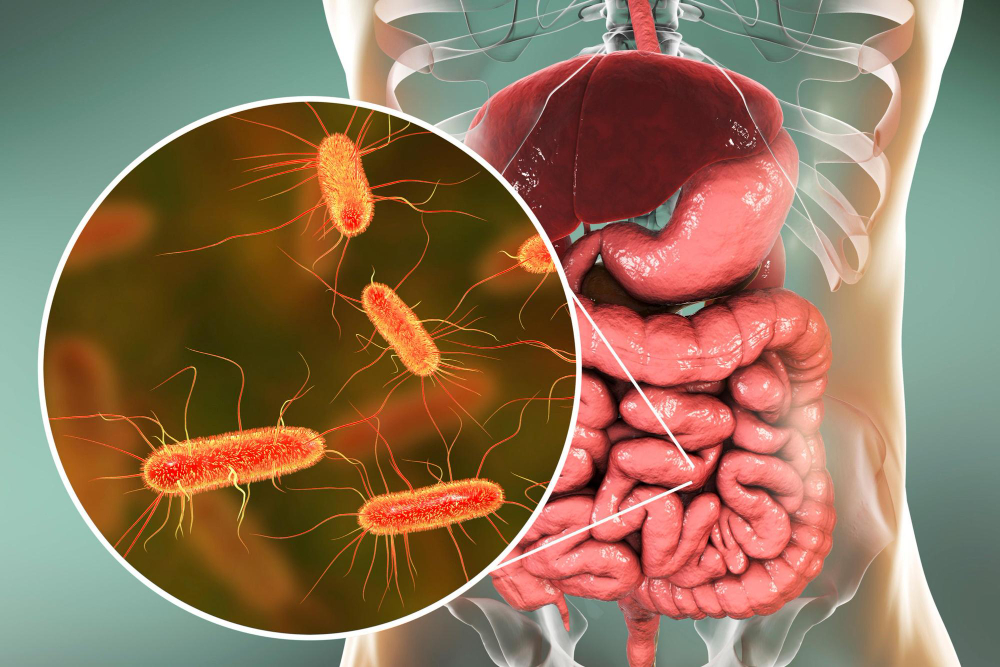
What Is the Gut Microbiome?
The gut microbiome is a group of tiny living things in your digestive system. These include bacteria, viruses, and fungi. Most of them live in your intestines. In fact, there are trillions of these microbes in your gut. Although you cannot see them, they play a big role in your health. For example, they help break down food and make vitamins. Because of this, keeping your gut microbiome healthy is important.
Why Healthy Gut Bacteria Matters
Healthy gut bacteria do more than help with digestion. First, they protect you from harmful germs. Also, they help control your immune system. In addition, they can affect your mood and brain health. Some studies show that a healthy gut may lower your risk of diseases like diabetes and obesity. Therefore, taking care of your gut microbiome can improve your overall health.
Symptoms of an Imbalanced Gut Microbiome
Sometimes, your gut bacteria can become unbalanced. When this happens, you may notice some signs. For example, you might have:
However, these symptoms can have other causes too. So, it is important to talk to a doctor if they last.
Causes of Gut Microbiome Imbalance
Many things can upset your gut microbiome. For instance, taking antibiotics can kill both good and bad bacteria. Also, eating a diet low in fiber or high in sugar can harm your gut health. Stress and lack of sleep may also affect your gut bacteria. Sometimes, infections or illnesses can change your gut microbiome as well.
How to Support Healthy Gut Bacteria
Luckily, you can take steps to improve gut health. Here are some ways to support healthy gut bacteria:
Because every person is different, you may need to try different foods to see what works best for you.
Prevention Tips for a Healthy Gut
To keep your gut microbiome healthy, you can follow some simple tips. For example:
In some locations, local foods like homemade yogurt or pickles can also help support gut health.
When to See a Doctor
Sometimes, gut problems do not go away on their own. If you have ongoing stomach pain, blood in your stool, or sudden weight loss, see a doctor. Also, if you notice changes in your bowel habits that last more than a few days, it is best to get checked. Early care can help prevent bigger problems later.
In summary, your gut microbiome is key to your health. Because of this, taking care of your gut bacteria can help you feel better every day. Consult a gastroenterologist for personalized advice on maintaining a healthy gut microbiome.