Introduction
Robotic surgery in gastrointestinal conditions is changing the way doctors treat many digestive problems. Today, more people want safer and less invasive options. Because of this, advanced surgical technology is becoming popular. Robotic surgery uses special tools and computers to help doctors operate with great care. As a result, patients often recover faster and feel less pain. This topic matters because many families face digestive health issues. Knowing about new treatments can help you make better choices for your health.
What Is Robotic Surgery?
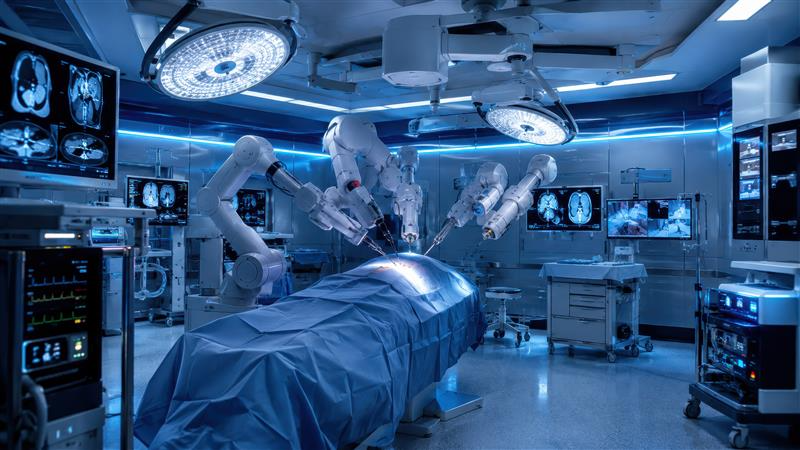
Robotic surgery is a type of minimally invasive surgery. In this method, doctors use a robot to help perform the operation. However, the robot does not work alone. Instead, a skilled surgeon controls the robot’s arms from a computer nearby. The robot’s tools are very small and can move in ways a human hand cannot. Because of this, doctors can make smaller cuts and work with more accuracy. Many hospitals now offer robotic surgery for different health problems.
Common Gastrointestinal Conditions Treated with Robotic Surgery
Many digestive system problems can be treated with robotic surgery. For example, doctors use it for:
Because robotic surgery is less invasive, it is often chosen for these conditions. Still, not every patient is a good candidate. Your doctor will help decide the best option for you.
How Robotic Surgery Works: The Technology Explained
Robotic surgery uses a special system with several parts. First, there is a console where the surgeon sits. Next, there are robotic arms that hold tiny surgical tools. A high-definition camera gives a clear, 3D view inside the body. The surgeon moves the robot’s arms using hand and foot controls. As a result, every movement is steady and precise. The robot cannot act on its own. Instead, it follows the surgeon’s commands at all times. Because of this, robotic surgery is both safe and effective.
Benefits of Robotic Surgery in Gastrointestinal Care
Robotic surgery offers many benefits for patients with digestive health problems. Some of the main advantages include:
Because of these benefits, many people prefer robotic surgery over traditional open surgery. However, it is important to talk with your doctor about your specific needs.
Risks and Considerations
Although robotic surgery is safe, it does have some risks. For instance, there may be:
However, these risks are similar to those of other types of surgery. Not everyone is a good candidate for robotic surgery. For example, people with certain health conditions may need a different approach. Always discuss your options with a trusted healthcare provider.
Recovery and Patient Experience
Most patients recover faster after robotic surgery. Because the cuts are smaller, pain is usually less. Many people can go home sooner than with traditional surgery. In addition, patients often return to normal activities within a few weeks. However, everyone heals at a different pace. Your doctor will give you clear instructions for care at home. Always follow these steps to help your body heal well. If you notice any problems, contact your healthcare team right away.
Frequently Asked Questions (FAQ)
Conclusion
Robotic surgery in gastrointestinal conditions is a major step forward in medical care. Because it is less invasive, many patients heal faster and feel better sooner. However, it is important to talk with a specialist to see if this option is right for you. Consult a gastroenterology specialist to learn if robotic surgery is right for you.